Showing posts with label interior design. Show all posts

Monday, September 23, 2019

Boost employee productivity with these office designs

Office design for improved productivity -- Scott Jay Abraham

Many business owners and managers have noticed how an office is designed affects employee job satisfaction and ultimately, productivity. However, to achieve this, not just any design would do, it has to be carefully thought of, and a lot of things have to be considered.
Image source: officespacesoftware.com

Scott Jay Abraham. Different departments have different needs. Take for instance any department tasked with coming up with new ideas such as advertising or marketing would greatly benefit from a design geared toward creativity.

This kind of design would feature a more laid-back atmosphere perfect for thinking and throwing around ideas. It some instances, it may not even look like an office. In others, it may look like a living room, or even a play or game room. Scott Jay Abraham.

Image source: officespacesoftware.com
As for offices wherein employees sit in their cubicles for hours on end, looking at spreadsheets or answering phones, several companies have found that lighting plays an integral role in productivity. Having a well-lighted office keeps employees in these departments from dozing off or getting bored out of their wits.

Natural light during the day not only brings down the electric bills, but it is also healthy for employees and keeps them up and about while accomplishing office work that would otherwise be boring. Scott Jay Abraham.

Monday, December 10, 2018

Winning hotel interior design trends

The main purpose of hotels is to create an experience that is both comfortable and adventurous for guests. This is why interior design plays a large part in the success of many hotels in the world.

On that note, here are a number of interior design trends that have elevated the hotel experience this year.

Image source: Pixabay.com


The other home

Hotels don’t just strive to be your second home, interior designers have come up with designs that make hotels a guest’s other home. What used to be white plaster walls and ordinary furniture has now been replaced with couches, small kitchens, plants, and other carefully-planned features that recreate the warmth and comfort of one’s home.

Natural

As mentioned earlier, plants have become a regular fixture in hotels. This not only pushes forth the more natural appeal of living spaces but also emphasizes the importance of the environment and overall sustainability.

Image source: Pixabay.com

Creative lights

Having more creative interiors makes for a more unforgettable experience. One of the main attractions of many hotels nowadays is installing creative lighting that both illuminates the room and allows guests to see themselves “in a better light” so to speak.

Smart tech

Let’s be honest -- people love their gadgets. Smart televisions, speakers, tablets, and other devices in hotel rooms adds to the convenience of the experience. A few swipes and clicks are very much welcome, especially for guests who have had a full day of travel and are looking to simply rest.

I’m Scott Jay Abraham, and I’m an industrial interior designer expert in home and office design. I am also a travel aficionado, going to odd roadside attractions that have not yet been kissed by mass tourism. I usually explore places with my Dachshund buddy, Shadow. For more posts like this, visit this page.

Tuesday, May 23, 2017

Paint Color Mistakes You Should Avoid

Image source : hearstapps.com
Choosing a paint color for your home is a task we often leave to professionals. While this is a safe way to go, choosing your own color gives you a better feeling about your home, knowing you have a big part of its design. But choosing a paint color isn’t as simple as choosing color for your furniture.
Here are paint color mistakes you should avoid:

Picking colors that exactly match your favorite object

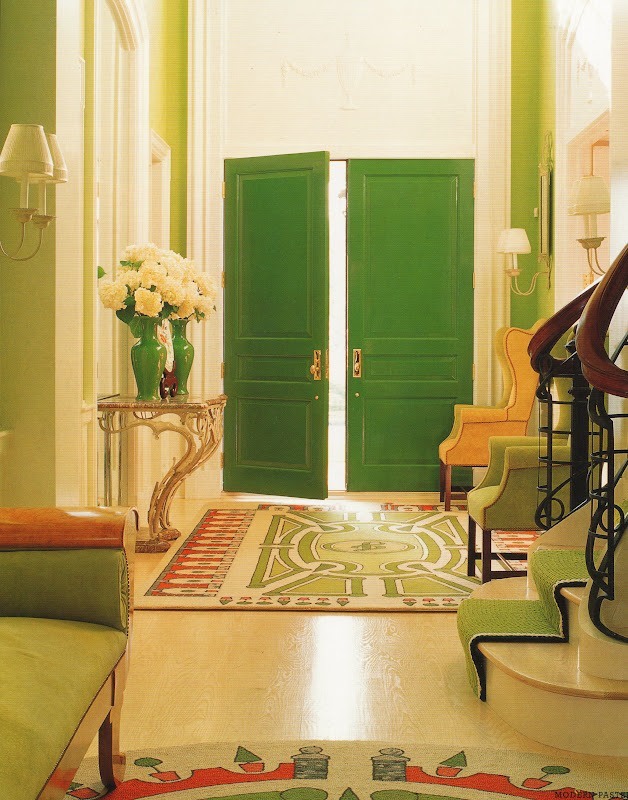
If you want your favorite piece to stand out in a room, choose colors that are similar but a shade softer. So, instead of choosing the exact green for your pillow, choose a lighter and more subtle shade, so your pillow will pop up.

Choosing very bright colors

Colors that are too bright and strong are not very good for interior wall color. These walls should invite a relaxing feeling when you enter a room, and bright colors convey the opposite. Choose colors that will easily blend with your environment, and complement what you love.

Image source : laurelberninteriors.com
Overwhelming the eye

Not giving your eye places to rest will make you feel exhausted, rather than relaxed. As much as wall-to-wall boldness is good, even the most colorful spaces need spots for the eye to rest. Make sure to include empty, or neutral spaces in your room that will balance out all the color.

Hey there, Scott Jay Abraham here. I’m an interior design expert in home and office design. I’m also a travel aficionado. If you’re looking for advice on designing, follow me on Twitter.


Friday, August 19, 2016

The Fast-Growing Trend Of Sustainable Interior Design

In what has become the norm in design schools, students are given the opportunity to showcase their talents. They will be presenting their plans to set the tone for how aesthetics and culture in designing will play out in the future. Most of them are consciously incorporating the drive for sustainability in their designs, whether the design objective is decoration, renovation, or detailing.

http://65.media.tumblr.com/tumblr_l2tf4yktPe1qc0p9go1_1280.jpg
Image source: lknstudio.com

There have been many factors for the increasing thrust for green living or sustainability, many of which have already been discussed in detail and widely accepted. With dwindling natural resources, sustainability is a trend more interior designers should embrace.

There are various ways to take the green approach other than just integrating energy-efficient lights and appliances, and water-saving bathroom fixtures.

One of which is to efficiently maximize the space available. In doing so, construction materials and other resources needed to execute the design can be minimized. Additionally, natural light and ventilation can be taken advantage of.

Another key style to practice sustainability is the use of locally-sourced furniture and products that are proven to be manufactured with socially responsible practices. Recommended as well is the reuse of reclaimed materials, including vintage décor. Even furniture, fixtures, carpets, and fabrics can be refurbished from recycled sources.

http://michelescotto.com/blog/wp-content/uploads/2015/04/industrial-interior-office-michelescotto-04.jpg
Image source: michelescotto.com

Hi, Scott Jay Abraham here, an industrial interior designer of homes and offices. But other than that, I love travelling to spots not frequented by tourists and walking my beloved dog, Shadow. For more discussion on interior design and travels, you can visit this blog here.

Monday, August 1, 2016

The Shiny Trend of Warm Metal in Interior Designing

Lately becoming more of a trend in interior design is the metal mania that swept 2015 off its feet. The use of warm, rich metal hues has moved the industry away from conventional metals, silver, steel, and aluminum. More interior and architectural designs are shifting to the palettes bronze, copper, and most especially, rose gold.

The use of these tones is experiencing a renaissance, as the colors provide an elegant and prestigious feel to homes, hotels, and even offices. Warm metal’s blend of natural elegance and beauty evokes feelings of comfort and amiability.

Image source: mazzeihomes.com.au

Rose gold is quite differentiated from other shades of gold, and it complements a wide mix of earth tones. Copper, meanwhile, provides more of an edgy, industrial feel. Bronze or brass offers resplendence that makes it a quality choice for high-end interiors.

Another trend in interior designing that will see an uptick is bringing nature into the homes. From horticulture-inspired fabrics to living walls, natural materials are ideal for the simplistic yet luxurious designs most homeowners or architects are searching for.


Image source: hgtv.com


This is a perfect avenue for warm metals to sneak its way even more into the interiors as the hues complement wood, stone, or raw concrete materials well, and help bounce light around the room.

Hi there, Scott Jay Abraham here, and I spend most of my time designing home and office interiors. I also love travelling, where I pick up countless lessons along the way, which I can incorporate to the designs I make. For more discussions about my passions, follow this Twitter account.

Wednesday, February 3, 2016

Workplace Chic: Office Designs to Boost Productivity

Gone are the days when offices look like offices. The dreary, clinical setting has been proven to hinder productivity and concentration rather than foster creativity and efficiency. So, how do you transform your office to boost employee productivity? Here are a few suggestions:

Let employees design their space
Workers tend to work better in familiar spaces. Allowing them to personalize their work stations by adding a picture or two of their families and loved ones or any other trinkets they cherish may help them enjoy their work more. This can lead to better output and increased job satisfaction. 


Image source: infochair.blogspot.com

Add color and textures
Colors and textures can brighten up any space. Certain colors also induce emotions. Meanwhile, color psychology could also affect personnel and determine the mood of the workplace. 

Lighting is important
Natural light is still the best kind of light and according to studies, exposure to it can reduce eye fatigue and promote productivity in the workplace. Artificial lighting can be harsh, so it is a good idea to let natural light into your office by adding more windows to the office area. 

Image source: designcurial.com

Provide mixed spaces
Wide and open areas have been proven distracting in a workplace setup. But providing communal areas where employees can mingle and share ideas with each other is something to consider. Closed meeting rooms are still appropriate, though, for serious business discussions.

Hi, I’m Scott Jay Abraham and I’m an interior designer and travel buff. Visit my blog for design inspirations and travel tips.

Thursday, October 29, 2015

The Future Of Interior Design Is In Versatile Furniture

I have always said that design is a reflection of the sensibilities of the society at the moment. Enthusiasts of the industry will see how each era, be it in fashion, architecture, or infrastructure was heavily influenced by what society dictated to be proper at the time. That said, I want to emphasize the growing popularity of versatile furniture, and why I feel that the future of interior design lies in these pieces. 

http://assets.coolhunting.com/coolhunting/mt_asset_cache/2011/07/20/SummerFurniture-2.jpg
Image source: assets.coolhunting.com
Today, we are witnessing a rapid growth of technology and business. There are so many startups, so much software, and all of these things emphasize the need for a "now, now, now" kind of thinking. Office and home spaces reflect this by being relatively smaller – although sleeker. This is to accommodate the influx of people moving to the cities. Real estate managers have shifted their focus on building assets vertically instead of laterally. This leaves homeowners and employees with a space that needs to be maximized to its fullest. Thus, versatile furniture is such an amazing invention. 

Whereas our grandparents bought pieces of furniture with only one purpose in mind (e.g. this couch is meant to be a couch, and we can sit or sleep on it), many furniture makers have now developed pieces that have a variety of functions. It is not unusual for a sofa to now be a storage space or be converted into a bed. Versatile furniture, as the name suggests, optimizes space because of its versatility. 

This is why I believe the future of design would be based on these types of furniture. Interior designers cannot expect homeowners to spend so much on typical pieces that would take up too much space in their homes. Furniture that can serve several functions is not only practical but necessary.

I am Scott Jay Abraham, and I work as an independent interior designer. Follow me on Twitter for more design talk.

Monday, September 21, 2015

Wood And Metal: The Twin Elements of an “Industrial” Home

Their unconventional charm, authenticity, and originality have made industrial interiors among the most popular home design trends in the last few years. Converting simple buildings into unpretentious but smart lofts is increasingly the norm for modern home renovations. Why not? The distinct style is revolutionary. Industrial interior design is expected to gain even bigger popularity in the decades to come. 

Image source: pufikhomes.com
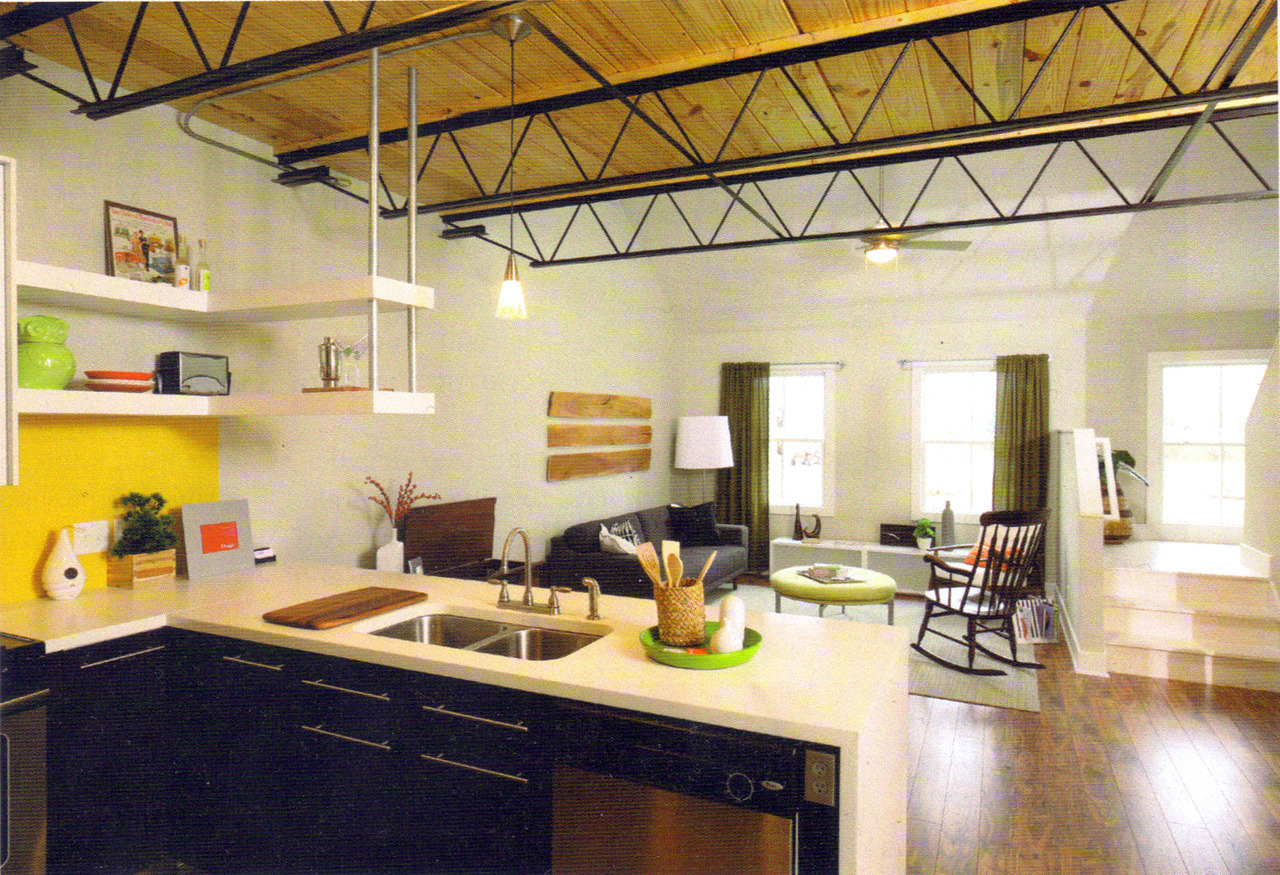
Owing to the style’s heavy reliance on metal and wood, earth tones and neutrals have been the popular palettes. Exposed pipes and ducts, wooden tables, metal chairs, stainless steel counters—these are all characteristics of a legitimate industrial home. 

Some residences display machined hood, custom stainless cabinetry, wooden fixtures, and exposed brick walls, which together create the feel of a commercial kitchen. Apart from the rugged aesthetics, the design is also very functional. 

Image source: pufikhomes.com
Industrial design enthusiasts often seek out a metallic feel through the use of colors such as gray and silver. Weathered gray walls enhance the steely look, which adds a unique charisma in the room. The use of wood in most industrial homes, meanwhile, neutralizes the strong visual properties of metallic elements. 

My name is Scott Jay Abraham, an industrial interior designer from San Francisco, California. For more insights on how to make your space even more stunning, follow me on Twitter.

Monday, July 20, 2015

A Home For Shadow: Building a Dog-Friendly Yet Aesthetically-Pleasing Home

My canine buddy, Shadow, is one of the most important figures in my life, and since he's my number one roommate, it's my utmost concern that our house is a safe and fun place for the both of us. And, of course, being an interior designer, having an aesthetically-pleasing abode is also a significant matter. So how does one build and maintain an awesome-looking pad that's still perfect for doggie pals like Shadow?

https://www.flickr.com/photos/theilr/4040298451
Image source: flickr.com
Accessorize with items that look great even when distressed - Pristine items that get scuffed or broken easily are bad ideas, especially if you have an active, furry friend. Antique or vintage-like furniture that still look awesome even with a few dings and scratches are a way to go.

Install a resilient floor surface - Concrete, hardwood, and tile floors are great for pet-friendly residences. Not only are they easier to clean, they're also generally harder to scuff. Furry dogs will also enjoy tiled floors during the summer because they're cooler.

Avoid wall-to-wall carpeting as they're harder to clean. Instead, go with easy-to-remove tiled carpets or rugs made from durable and stain-resistant materials.

Coordinate your decor with your pet's fur - Constantly having to pick fur out of sofas is a pain, -and if your furry companion is anything like Shadow, he'll love sleeping on the sofa, so choosing upholstery similar to your pet's fur color is great camouflage. That said, it's not an excuse to be a slouch about cleaning the house and grooming your dog.

Dedicate spaces for your dog - While Shadow can go practically anywhere around the house, he also has specific, comfortable spots to sleep and eat. A design trend nowadays is integrating napping niches into shelving and stairs so that separate dog baskets don't take up too much space. Having a regular area for eating makes it easier for clean-up.

https://en.wikipedia.org/wiki/Dog_Bark_Park_Inn#/media/File:Toby_and_Sweet_Willie_Dog_Bark_Park_Inn.JPG
Image source: en.wikipedia.org
Maintain cleanliness - Sticking to a regular grooming schedule for pets keeps them healthy and clean, controls the shedding around the house, and the shorter nails means keeping scratches, scuffs, and fabric snags to a minimum. 

Following these tips will make living with a furry companion safer, more comfortable, and neater, and that's great for Shadow and me.

As Shadow's best buddy and an interior designer, I, Scott Jay Abraham, am dedicated to making sure that our home is both dog-friendly and great to look at. Read more about my life with this awesome dog by visiting this blog.